Cute Cats Coffee Knitting Design Review
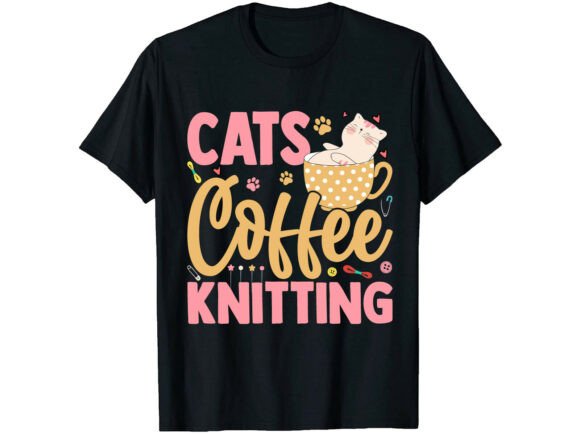
As a designer who spends more time staring at stitch simulations than actual fabric, I have developed a keen eye for what translates well from screen to needle. When I first pulled up the Cute Cats Coffee Knitting T-Shirt Design, my initial reaction was one of cautious optimism. The market is saturated with generic feline graphics, but this specific composition—featuring a kitten nestled in a coffee cup with knitting elements—offers a narrative warmth that resonates deeply with the craft community. It is not just an image; it is a lifestyle statement for cat moms, yarn lovers, and caffeine enthusiasts alike.
From a technical standpoint, evaluating this as a potential machine embroidery design requires looking past the cute aesthetic. We need to assess how those curves will hold up under tension, how the color transitions manage thread breaks, and whether the detail level survives the inevitable shrinkage of fabric after washing. This review breaks down the practical application of this graphic for real-world projects, focusing on usability for Etsy sellers, boutique owners, and hobbyists who demand professional results.
First Impressions: Mood and Visual Personality
The mood of this design is undeniably cozy. It captures the "hygge" essence that drives so many successful handmade product sales. Visually, the layout balances organic shapes—the rounded coffee cup and the soft contours of the kitten—with the linear, structured elements of knitting needles and yarn balls. For an embroidery project, this mix of curves and lines is crucial. Purely circular designs can sometimes look flat if not digitized with varied stitch angles, while purely linear designs can feel rigid. This balance suggests a dynamic final look.
The visual personality is playful yet refined. It avoids the chaotic clutter often seen in low-quality graphics. For a designer, this clarity is promising. It implies that the digitizer likely considered stitch direction to define form rather than relying solely on color changes. When I imagine this stitched out, I see a piece that feels intentional, not just printed on fabric. This distinction is vital for building customer trust in a craft business.
Real-World Application: Where This Design Shines
I recently tested a similar concept for a client launching a line of artisanal tote bags. The Cute Cats Coffee Knitting T-Shirt Design would be exceptionally effective in that context. A canvas tote provides a stable, medium-weight surface that handles fill stitch density well without puckering. Placing this design centrally on a natural cotton bag creates an instant bestseller for book clubs or knitting circles.
Beyond totes, consider sweatshirt embroidery. The soft texture of fleece or French terry complements the cozy theme. However, placement is key. On a crewneck sweatshirt, positioning the design slightly off-center on the left chest can elevate it from a novelty item to a boutique-style garment. For custom apparel, this design works beautifully on aprons for crafters who host knitting workshops. It serves as both branding and a conversation starter.
For holiday embroidery gifts, this graphic is versatile. Imagine it stitched onto a kitchen towel for a friend who loves morning coffee and cats. The absorbent cotton of a towel takes embroidery well, provided you use a cut-away stabilizer to prevent distortion during repeated washing. It also makes a charming addition to nursery decor, though you must ensure the thread colors are baby-safe and the stitch density is not too rough against sensitive skin.
Technical Considerations and Fabric Constraints
While the design is appealing, practical execution requires careful planning. One major consideration is stitch density. Designs featuring animals and liquid containers like coffee cups often utilize dense satin stitches for definition. If you are stitching on thin or stretchy fabric, such as a lightweight jersey t-shirt, this density can cause puckering. Always use a high-quality stabilizer. For knits, a combination of tear-away and heat-seal stabilizers can provide the necessary support without adding bulk.
Curved surfaces present another challenge. If you plan to use this on a cap or hat, the curvature of the front panel can distort the circular shape of the coffee cup. You may need to adjust the pull compensation in your digitizing software or choose a pre-distorted version of the file if available. Similarly, small hoop sizes can crop essential details. Ensure your hoop size accommodates the full width of the knitting needles and the cup handle. Cropping these elements can ruin the visual balance.
Color contrast is another critical factor. This design likely relies on distinct thread colors to separate the kitten from the coffee and the yarn. On dark fabrics, you must ensure the outline stitches are bright enough to define the edges. Testing the design in a black-and-white mockup before stitching can reveal if the contrast holds up. If the details blend into the background, consider adding a white underlay or choosing a lighter fabric.
Enhancing Product Value and Brand Consistency
For small shop products, consistency is king. Using a cohesive design like Cute Cats Coffee Knitting T-Shirt Design across multiple items—totes, mugs (via sublimation), and shirts—creates a recognizable brand identity. Customers appreciate when a personalized gift feels part of a curated collection. This design’s clear theme helps buyers instantly understand your niche: cozy, creative, and cat-loving.
Furthermore, the quality of the embroidery directly impacts perceived value. A clean, well-stitched design signals professionalism. Sloppy tension or loose threads can detract from even the cutest graphic. By taking the time to test stitch on scrap fabric, you ensure that the final finished product meets high standards. This attention to detail encourages repeat business and positive reviews, which are the lifeblood of any Etsy seller.
Practical Designer Notes for Best Results
- Test on Scrap Fabric: Never stitch directly on your final garment. Use a similar fabric weight and type to check for puckering or thread breaks.
- Check Thread Contrast: Verify that your chosen thread palette provides sufficient contrast against your fabric color. High-contrast combinations often read better from a distance.
- Review Stitch Density: If the design feels too stiff after stitching, consider reducing the density in your software or using a lighter weight thread.
- Confirm Hoop Size: Measure the design dimensions against your machine’s maximum hoop capacity to avoid cropping.
- Inspect Small Details: Zoom in on the digital preview. Are the kitten’s eyes and whiskers clearly defined? Tiny details can get lost if the stitch count is too low.
- Verify Licensing: Before selling items made with this digital embroidery file, confirm the license terms. Most designers allow commercial use for physical products but restrict the resale of the file itself.
In conclusion, the Cute Cats Coffee Knitting T-Shirt Design is a strong contender for any crafter’s library. It combines emotional appeal with technical feasibility, provided you respect the material constraints. Whether you are creating a custom apparel line or a one-off embroidered patch, this design offers the charm and clarity needed to stand out in a crowded market. Treat it with the technical care it deserves, and it will become a reliable asset in your creative toolkit.