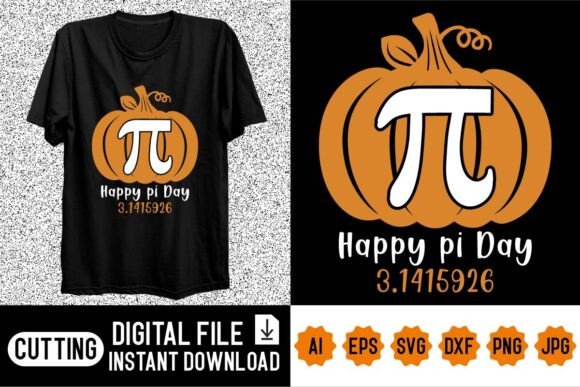
Happy Pi Day Shirt Design: Graphics for T-Shirt Designs
As a brand designer who has spent over a decade helping local businesses define their visual voice, I approach every new graphic design asset with a critical eye. It is not just about whether an image looks cute; it is about whether it can carry the weight of a brand identity in the real world. Recently, I evaluated the Happy Pi Day Shirt Design for a potential seasonal campaign involving a local artisanal bakery and a boutique gift shop. My goal was to determine if this asset could transcend its primary category of T-Shirt Designs and serve as a versatile tool for small business branding, packaging, and promotional materials.
The first impression of the Happy Pi Day Shirt Design is undeniably cheerful and approachable. The mood it creates is playful yet polished, striking a balance that is often difficult to achieve in seasonal graphics. For a local business like a neighborhood pie shop or a math-themed educational center, this design suggests a brand personality that is friendly, community-oriented, and celebratory. It does not scream for attention with aggressive colors but rather invites engagement through its whimsical charm. This makes it an excellent candidate for brands that want to appear accessible and fun without sacrificing professionalism.
Integrating the Asset into Real-World Branding
While the product description highlights its utility for apparel, my review focuses on its broader application in packaging design and marketing visuals. In a recent project for a handmade soap company launching a limited-edition "Sweet Scents" line, I tested how this graphic would perform on various touchpoints. The results were promising. The design works exceptionally well as a hero graphic on product labels, where it can immediately communicate the theme of the collection. When scaled correctly, it adds a layer of decorative interest that enhances shelf appeal without overwhelming the essential information such as ingredients or weight.
Beyond labels, the Happy Pi Day Shirt Design proves valuable for creating cohesive social media graphics. For boutique owners and handmade sellers, consistency across digital platforms is key to building trust. Using this asset in Instagram stories, Facebook posts, or website banners helps create a unified look for the 2025 holiday season. It serves as a strong visual anchor for promotional ads, drawing the eye and encouraging clicks. Furthermore, when used on thank-you cards or printable inserts included in online orders, it reinforces the brand’s attention to detail and festive spirit, fostering a stronger emotional connection with customers.
Enhancing Business Presentation and Visual Hierarchy
A common challenge in product label design is maintaining a clear visual hierarchy. Decorative elements must support, not compete with, critical text. In my evaluation, I found that this clipart or illustration works best when given adequate white space. It supports business presentation by providing a focal point that guides the viewer’s eye. When paired with a clean sans serif font for product details, the playful nature of the Pi Day graphic creates a pleasing contrast that feels modern and intentional. This balance contributes to more professional packaging and improved customer trust, as the overall presentation feels curated rather than cluttered.
The asset also strengthens brand recognition. By using a consistent thematic element across different mediums—from hang tags on retail items to posters in a physical store—businesses can create a memorable seasonal campaign. This consistency is vital for professional branding. It signals to the consumer that the business is organized and thoughtful. Whether used on a menu graphic for a café special or as a decorative accent on a tote bag, the design helps unify the customer experience.
Strategic Placement and Cautionary Notes
However, no design asset is universally applicable. There are specific contexts where the Happy Pi Day Shirt Design should be used carefully. For instance, it is not suitable for formal corporate branding or luxury minimalist brands where simplicity and understatement are paramount. Additionally, designers must avoid placing this graphic on crowded product packaging where it might compete with legal information or ingredient lists. On very small labels, intricate details may get lost, so it is crucial to test the legibility at reduced sizes.
Another consideration is background contrast. The design may not perform well on low-contrast backgrounds or busy patterns. For editorial design or complex layouts, ensure that the graphic does not interfere with readability. If you are aiming for a high-end, exclusive feel, this playful aesthetic might dilute the perceived value of the product. Therefore, understanding your target audience and brand positioning is essential before integrating this asset into your design assets library.
Practical Designer Notes for Implementation
For those looking to incorporate this digital product into their workflow, here are some practical tips based on my testing. First, always test the design on real product mockup templates to see how it interacts with physical textures like paper, fabric, or glass. Check its appearance in black and white to ensure it retains its integrity if printed in monochrome. Preview it on small labels to confirm that key elements remain distinct.
Since the download includes Ai, SVG, PNG, JPG, DXF, and EPS files, you have flexibility in editing. I recommend inspecting the SVG design or vector files to adjust colors to match your specific brand palette. Test the graphic beside different typography styles—serif, script, handwritten, and display fonts—to find the combination that best suits your message. For cut file needs, the DXF and SVG formats are ideal for use with cutting machines, making it perfect for custom stickers or iron-on transfers.
Finally, always confirm the commercial license terms before using the asset for client work or physical product sales. Ensuring you have the right permissions protects your business and respects the creator’s rights. Whether you are a marketer, a packaging designer, or a creative entrepreneur, treating this Happy Pi Day Shirt Design as a strategic component of your brand identity rather than just a decorative add-on will yield the best results. By thoughtfully integrating it into your web design, print materials, and social campaigns, you can create a cohesive and engaging presence that resonates with your local community.
In conclusion, while categorized under Graphics and T-Shirt Designs, this asset offers significant value for diverse applications in small business branding. Its versatility, when handled with design expertise, can elevate product presentation and enhance promotional efforts for the 2025 season. For bakery owners, boutique retailers, and creative sellers, it represents a smart investment in seasonal visual hierarchy and customer engagement.