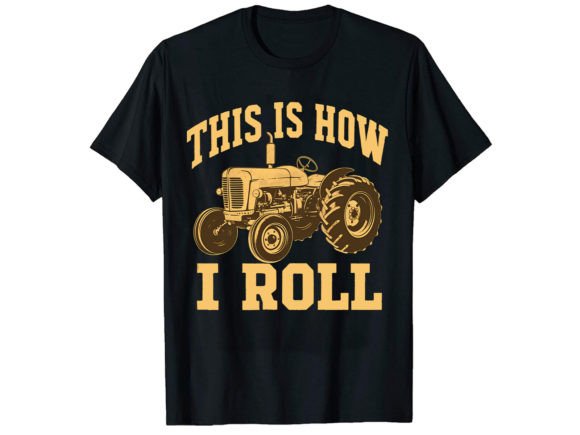
Review: This is How I Tractor T-Shirt Design
As a designer who has spent years digitizing patterns and testing them on everything from stiff denim to delicate baby knits, I have learned that a great graphic does not always translate into a great machine embroidery design. When I first pulled up the files for This is How I Tractor T-Shirt Design, my immediate reaction was one of cautious optimism. The visual appeal is undeniable—it taps into that rustic, agricultural charm that sells incredibly well in rural markets and among farming families. However, seeing a high-resolution PNG and imagining how those lines will behave under a needle are two very different things.
First Impressions and Visual Personality
The mood of this piece is playful yet grounded. It captures the spirit of hard work with a touch of humor, which is a winning combination for custom apparel. The layout appears balanced, with the tractor serving as the focal point and the typography complementing rather than competing with the imagery. For an embroidery project, this balance is critical. If the text is too thin or the tractor details are too intricate, you risk thread breaks and puckering.
From a T-Shirt Designs perspective, this graphic works because it is bold. But as we move into the realm of Graphics meant for stitching, we must look closer. The shapes seem solid, which suggests they could handle fill stitch coverage well, provided the density is managed correctly. The lack of excessive gradients in the source file is a good sign; gradients are notoriously difficult to replicate in thread without looking muddy or requiring complex blending techniques that increase production time.
Real-World Application: The Sweatshirt Test
To truly evaluate This is How I Tractor T-Shirt Design, I mentally placed it on a heather grey crewneck sweatshirt. This is a staple item for any craft business or Etsy seller targeting the fall and winter seasons. On a textured fabric like fleece or cotton blend, the design needs to stand out without sinking into the nap of the material.
In this scenario, the bold lines of the tractor would likely perform well. I would recommend using a cut-away stabilizer to support the weight of the stitches, ensuring the garment retains its shape after washing. The visual contrast between a bright yellow or red tractor and the grey fabric would create a high-impact handmade product that feels premium. Customers often judge the quality of an embroidered patch or direct-to-garment embroidery by how flat it lies; if the design is too dense, it becomes stiff and uncomfortable. If the digitizer has optimized the stitch density, this design should sit softly on the chest, making it ideal for a personalized gift for a farmer or machinery enthusiast.
Versatility Across Product Lines
Beyond sweatshirts, this design has potential across various design assets for small shops. Imagine it on a canvas tote bag design. Canvas is durable and handles higher stitch counts well, making it a safe bet for larger versions of this graphic. It could also work on a kitchen towel, provided the scale is reduced and the stitch type shifts to lighter running stitch outlines rather than heavy fills, to maintain the towel’s absorbency and softness.
For baby embroidery projects, such as a onesie or a nursery wall hanging, caution is required. The text size must be legible when scaled down. If the letters become smaller than a quarter-inch, they may lose clarity. In such cases, I would advise simplifying the design or removing the text entirely to focus on the tractor icon, creating a cleaner look suitable for delicate fabrics.
Technical Considerations and Potential Pitfalls
While the aesthetic is strong, there are areas where This is How I Tractor T-Shirt Design requires careful handling. One major concern is the transition from digital Graphics to physical thread. The source description mentions a print-ready PNG, but it does not specify an embroidery file format like PES or DST. This is a crucial distinction. A PNG is a raster image; it cannot be stitched directly without digitization. If you are purchasing this as a sublimation or print-on-demand asset, it is excellent. If you intend to embroider it, you must either digitize it yourself or hire a professional.
If you are digitizing this from the PNG, pay close attention to the wheels of the tractor. Circular shapes can easily distort if the pull compensation is not set correctly. Additionally, any small text elements need to be converted to satin stitch columns with appropriate underlay to prevent them from unraveling or looking sparse.
Fabric and Hoop Constraints
When working with stretchy fabrics, such as performance tees or baby knits, the hoop size and stabilizer choice become paramount. A large design on a small hoop size can cause registration issues if you need to re-hoop for multiple colors. Ideally, this design should fit within a standard 5x7 or 6x10 hoop to minimize setup time for commercial embroidery runs.
Dark fabrics present another challenge. If the tractor is light-colored, you will need a solid underlay or a backing fabric to prevent the shirt color from showing through the stitches. This adds bulk, so testing on scrap fabric is non-negotiable. Always check thread colors against your fabric swatches in natural light to ensure the contrast is sharp and the design pops.
Enhancing Brand Value and Customer Trust
Using a well-executed version of This is How I Tractor T-Shirt Design can significantly boost the perceived value of your small shop product. High-quality embroidery signals durability and care, which builds customer trust. For holiday embroidery gifts, such as Christmas presents for dad or grandpa, this theme resonates deeply. It feels personal and thoughtful, moving beyond generic store-bought items.
However, professionalism is key. Sloppy stitching, loose threads, or misaligned colors can damage your brand reputation. Before listing this as a finished product on your online store, inspect every inch. Ensure that the jump stitches are trimmed and that the backing is neatly removed. A clean finish turns a simple design into a premium item that customers are willing to pay more for.
Final Verdict and Designer Notes
This is How I Tractor T-Shirt Design is a strong candidate for rural-themed merchandise, provided you respect the technical limits of embroidery. It is not just a pretty picture; it is a structural challenge that requires thoughtful digitization and material selection.
- Test First: Always stitch out a sample on the exact fabric you plan to sell. Check for puckering and thread breaks.
- Check Licensing: Confirm whether the license allows for commercial use of the finished embroidered items. The description mentions print-ready files, so clarify if embroidery rights are included.
- Simplify if Needed: For smaller items like caps or baby clothes, consider removing fine details to improve stitch clarity.
- Contrast is King: Use high-contrast thread colors to ensure the design is readable from a distance.
In conclusion, this design offers excellent potential for custom apparel and personalized gifts. By paying attention to stitch density, stabilizer choice, and fabric texture, you can transform this graphic into a best-selling item for your crafter portfolio. It is a reminder that in embroidery, success lies in the details—both visible and hidden beneath the needle.