Spooky Babe Halloween Design: A Designer’s Review
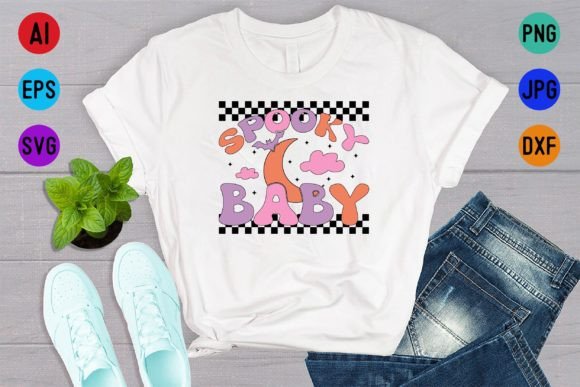
As a designer who spends more time staring at stitch simulations than actual fabric, I have developed a keen eye for what translates well from screen to thread. When I first pulled up the Spooky Babe, Halloween Kids Shirt Design, my initial reaction was one of cautious optimism. The market is flooded with seasonal graphics, but few are built with the structural integrity required for high-quality embroidery. This piece, available from EYE CATCH DESIGN67 SHOP, promises instant accessibility and a variety of formats, but does it hold up under the needle? After reviewing the layout and considering its application in real-world projects, I believe this design offers significant potential for crafters and small business owners who understand how to manage their materials.
First Impressions: Mood and Visual Personality
The aesthetic of this design leans heavily into the playful side of Halloween. It avoids the gore and grit often associated with adult horror themes, making it an ideal candidate for children’s apparel and family-oriented decor. The visual personality is bold and approachable. From a graphic design perspective, the lines appear clean, which is a critical factor when converting raster images like JPG or PNG into vector paths for stitching. While the product description lists AI, EPS, SVG, DXF, and standard image formats, the success of your final embroidery project will depend on how well you digitize these elements or utilize pre-digitized files if they were included in a specific bundle not fully detailed here.
The theme creates an immediate emotional connection. It is whimsical rather than frightening, which broadens its commercial appeal. For an Etsy seller or boutique owner, this means the design can be marketed not just as a Halloween item, but as a cute autumnal accent. The layout seems balanced, avoiding excessive negative space that might cause fabric puckering, while maintaining enough detail to remain recognizable from a distance.
Real-World Application: Beyond the T-Shirt
While categorized under T-Shirt Designs and Graphics, limiting this artwork to cotton tees would be a missed opportunity. In my experience, designs with this level of character thrive on textured surfaces. Imagine this motif stitched onto a heavy-weight canvas tote bag design. The sturdy fabric provides a stable foundation for the stitches, allowing the colors to pop without the distortion common in thinner materials.
I recently considered a similar concept for a custom order involving baby items. For baby embroidery, softness is paramount. If you choose to apply this design to a onesie or a soft knit blanket, you must be mindful of the backing. A cut-away stabilizer is non-negotiable here to prevent the garment from warping after washing. The design could also serve as a charming personalized gift when paired with a name in a complementary script font, creating a unique keepsake for new parents during the fall season.
Another viable avenue is sweatshirt embroidery. The thick fabric of a crewneck or hoodie absorbs the stitch density well, giving the design a raised, tactile quality that customers love. However, because sweatshirts are often dark-colored, you must carefully select your thread colors to ensure sufficient contrast. A test run on scrap fabric is essential to verify that the hues do not blend into the background, rendering the "Spooky Babe" invisible.
Technical Considerations and Stitching Challenges
Let us discuss the technical realities of turning this digital asset into a handmade product. Since the download includes vector formats like SVG and AI, you have the flexibility to resize the design. However, resizing is a double-edged sword in embroidery. Shrinking the design too much for a small hoop size, such as a 4x4 inch frame, may cause the details to merge. Tiny elements that look crisp on a screen can become a tangled mess of thread if the stitch density is too high for the reduced scale.
If you are planning to use this on curved surfaces like caps or hats, proceed with caution. Cap embroidery requires specialized digitizing to account for the curvature and the stiff buckram material. A flat design intended for a t-shirt may distort when applied to a rounded crown unless it has been specifically adjusted for headwear. Similarly, if you attempt to create an embroidered patch, ensure you use a dense satin stitch border to encase the raw edges of the patch material, providing a professional finish that withstands wear and tear.
Fabric texture plays a massive role in the final outcome. On fluffy towels or fuzzy fleece, small details can get lost. In these cases, consider using an appliqué technique. By cutting fabric shapes to fill the larger areas of the design and stitching over them, you reduce the bulk of thread buildup and create a cleaner look. This approach is particularly effective for holiday embroidery projects where comfort and washability are key concerns.
Commercial Viability and Brand Consistency
For those running a craft business, consistency is key to building brand trust. This design fits well within a cohesive autumn collection. It pairs nicely with other seasonal motifs, allowing you to create bundled listings that increase average order value. The professional presentation of the source files suggests that the creator understands the needs of digital product sellers. However, always confirm the licensing terms. Just because a file is downloadable does not automatically grant unlimited commercial rights. Ensure you are compliant with the shop’s policies before selling finished products or using the assets in mass production.
Visual appeal drives buyer engagement. A well-executed embroidery job signals quality. If the tension is off or the stabilizer is visible, it detracts from the perceived value of the item. Conversely, a crisp, clean execution of the Spooky Babe, Halloween Kids Shirt Design can justify a higher price point. Customers are willing to pay more for items that look professionally made rather than hastily assembled. Use high-quality printable mockup images to showcase your stitched results online, highlighting the texture and dimension that digital prints cannot replicate.
Practical Advice for the Maker
Before committing to a final product, follow these steps to ensure success:
- Test on Scrap Fabric: Always stitch a sample on the same material you intend to use for the final item. This reveals issues with tension, density, and color contrast.
- Check Thread Contrast: View your design in black and white to ensure the values are distinct. If the design disappears in grayscale, it will likely lack impact in person.
- Select the Right Stabilizer: Match your stabilizer to your fabric weight. Lightweight knits need tear-away or cut-away support, while woven fabrics may handle lighter backings.
- Verify File Compatibility: Ensure your embroidery machine can read the specific file formats provided. While AI and SVG are great for editing, you may need to convert them to PES, DST, or EXP depending on your machine brand.
- Inspect Small Details: Zoom in on the digital file. Are there tiny isolated stitches that might pull out? Simplify these areas if necessary before digitizing.
In conclusion, the Spooky Babe, Halloween Kids Shirt Design is a versatile asset for the creative entrepreneur. It bridges the gap between trendy graphic design and functional commercial embroidery. By respecting the technical limitations of your equipment and materials, you can transform this digital file into a standout small shop product that delights customers and enhances your portfolio. Whether used for a custom tote, a festive pillow cover, or a child’s favorite hoodie, this design offers the charm and clarity needed to succeed in the competitive handmade marketplace.